Finally, Stop “Just Dealing" With that Persistent Heel Pain. Get Back on Your Feet Faster with a Team that Actually Tackle the Cause
Across two purpose-built clinics in Maroubra & Padstow, our highly-trained team of Podiatrists relieve heel pain & restore movement through expert, evidence-based treatments and the latest in gold-standard medical technology.
Fill out the survey if you want to discuss your heel pain
Can't wait any longer!
Follow the link and make an appointment
What others are saying
Frequently Asked Questions
Question 1: Why does my heel hurt most in the morning or after rest?
That sharp “first step” pain is very common.
Overnight, the muscles and plantar fascia tightens with your foot in a pointed position. When you take your first steps your foot moves into a flexed position and -
The tissue is suddenly stretched
It’s less warm and less flexible due to inflammation trapped in the soft tissue
Pain receptors are more sensitive, also due to the increased inflammation
This is why it often eases as you move, but can return after sitting.
Question 2: What are some of the main factors that cause my heel pain?
Some factors for heel pain starting are:
* An increase in activity. This might be an increase in running or walking, a new job that requires you to be on your feet longer or starting new exercises/sports such as a pump class at the gym.
* The wrong shoes for your foot type of activity. There is no perfect shoe as every shoe has different features that will be better suited to different characteristics of different feet.
* A change in flooring. Often when people move into homes with hard floors their feet aren't used to the increased time on hard surfaces while walking barefoot.
Question 3: What are some treatments I can try first?
There are three things you can try at home
* Stretching your foot first thing in the morning before standing on it
* Avoid walking bare foot on hard surfaces such as tiles or floorboards
* Managing the activities you are doing. Slowly increase walking or running and ease into new activities at the gym.
Question 4: Do I have to get orthotics to fix my heel pain?
Not all cases of heel pain need orthotics. Orthotics are used as a tool in a wholistic treatment plan to move pressure away from an area or to change the alignment of the foot to reduce stress on a certain part of the foot, ie the plantar fascia or a tendon. For this reason, when they are used with strengthening exercises they can be used in the short term or for a longer period.
Question 5: How long will it take to fix my heel pain?
It's hard to put a time on how long a pathology with take to fix as each case is unique to the individual patient. Factors that can change the time of recovery include, but are not limited to, the type of injury causing the pain; how long you have they been experiencing the pain; how well the treatment plan is adhered to.
Question 6: Will have to stop my exercise activities?
Not all cases start treatment with a complete stop in all activities. We usually try to keep you moving as much as possible. Your injury will have a load tolerance, ie the amount of activity it can do before it starts to get sore. In the initial stages of treatment we will ask you to either reduce your load (running, gym, walks) or take out certain movements (lunges, jumping exercises, walking barefoot) to see if we can pinpoint what you can do and what activities flare up your pain.
Question 7: What shoes make my heel pain better to worse?
This will depend directly on your foot type and the type of injury. As a general rule softer shoes are used when the injury is caused by compression ie the area is getting squashed into a hard surface (bare foot hard floors, rigid dress shoes). We use more supportive shoes when the injury is tensile in nature, ie your foot is getting stretched such as in over pronation. So it depends on your foot type and the pathology causing your heel pain.
Question 8: What treatments do we use at HK Podiatry?
We use a broad range of treatments to ensure we get the best possible outcomes for our patients. We have point of care ultrasound providing a base line sonography assessment. Shockwave therapy helps with reducing pain while promoting healing, in cases like plantar fasciitis. We use a mix of orthotics, including customised 3D printed orthotics that can be ready within 24hrs, heat moulded orthotics that can be issued during the consult, and ready made orthotics that we customise to suit the foot. We also do massage and dry needling to release tight muscles. All our treatment plans generally include exercises to strengthen the weakened muscles, helping to balance out the tight over worked muscles. And last but not least we will provide footwear advice.
Question 9: What is Shockwave therapy?
Shockwave therapy is a machine that produces high energy sound wave to treat chronic musculoskeletal conditions. Usually a minimum of 3 sessions are needed but no more than 8. It can be sore, but settings can be adjusted to help with this. We try to keep our pain scores 3/10 or less.
The four main effects of shockwave therapy is that it;
- Increases healing by increasing blood flow to the area.
- Breaks down calcifications (calcium deposits and scar tissue) seen in chronic cases.
- Provides pain relief by breaking down the chemical neurotransmitter substance that sends pain signals.
- Reverses chronic inflammation by stimulating mast cells and restarting the healing process in chronic cases.
Question 10: Will my foot pain be related to other areas of pain such as hip or knees?
Often other injuries are related to your foot pain, especially lower limb injuries. We assess the whole body showing particular interest in hip and leg movements. We try to provide exercises to improve movement patterns and refer to other allied health professionals in your team when required.
Does this sound familiar?
You’ve tried stretching, new shoes, even rest… but it keeps coming back
You’re avoiding walks, exercise, or even simple daily activities
You feel like it should be getting better… but it’s not
Don't worry, we can help!
We Provide a
Comprehensive Assessment
We use the latest technology including point of care ultrasound, and pressure analysis treadmill combined with our extensive knowledge base of the lower limb to get you the correct diagnosis.
We Educate You About
Your Diagnosis
We believe that the first step to a successful treatment plan is educating you about the finer details of your foot pain. We take the time to explain in your language and answer all of your questions.
We Provide Multiple
Treatment Options
We use a range of evidence based treatment options to best suit your condition, budget and time line. We use a range of different orthotics including inhouse 3D printed orthotics, shockwave therapy, footwear advice, massage, dry needling and exercises focusing on lower limb function
Who We Are
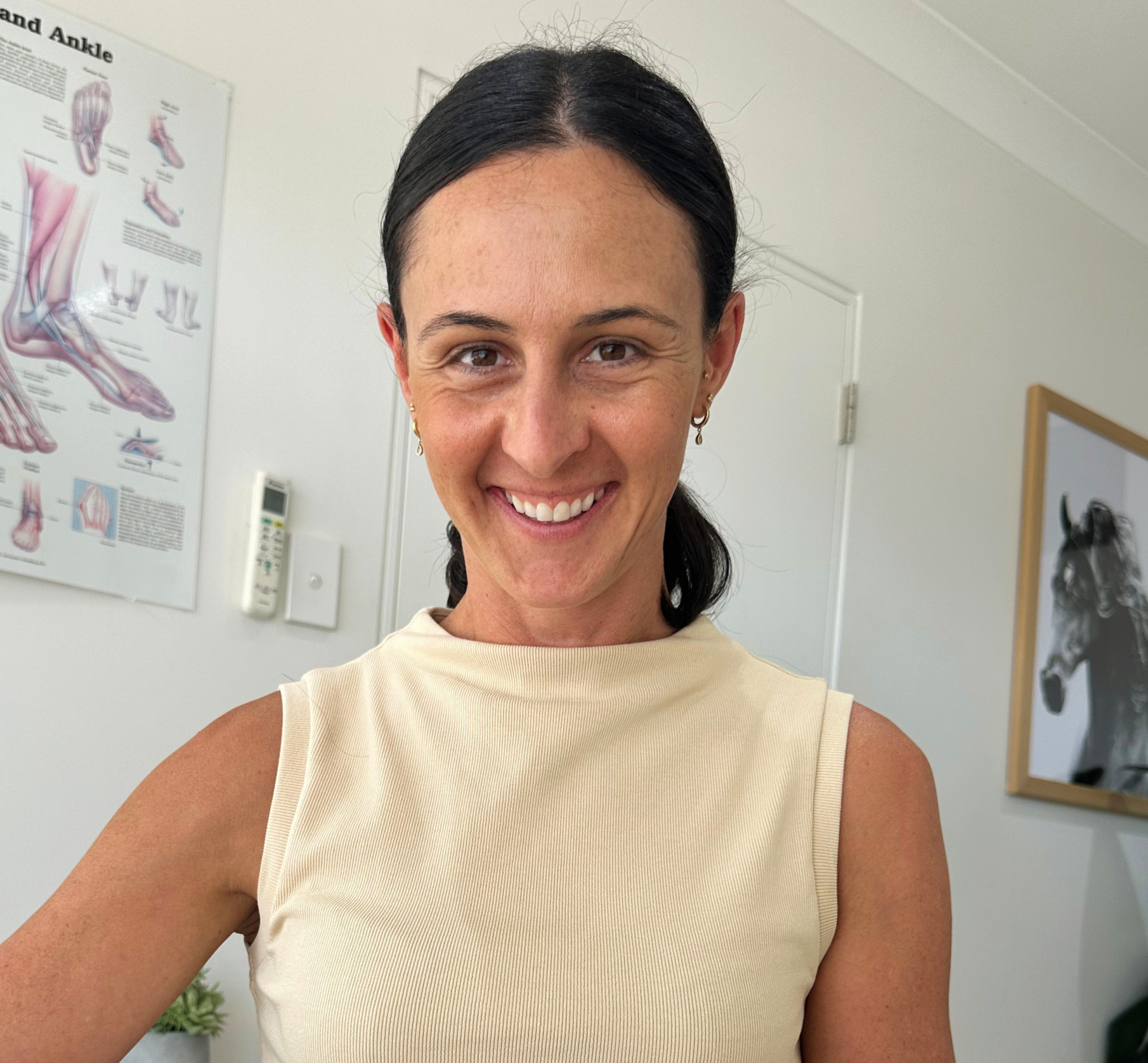
Hannah is our chief detective. With a thirst to know why, Hannah's extensive knowledge base and curiosity leaves no heel pain case unsolved.
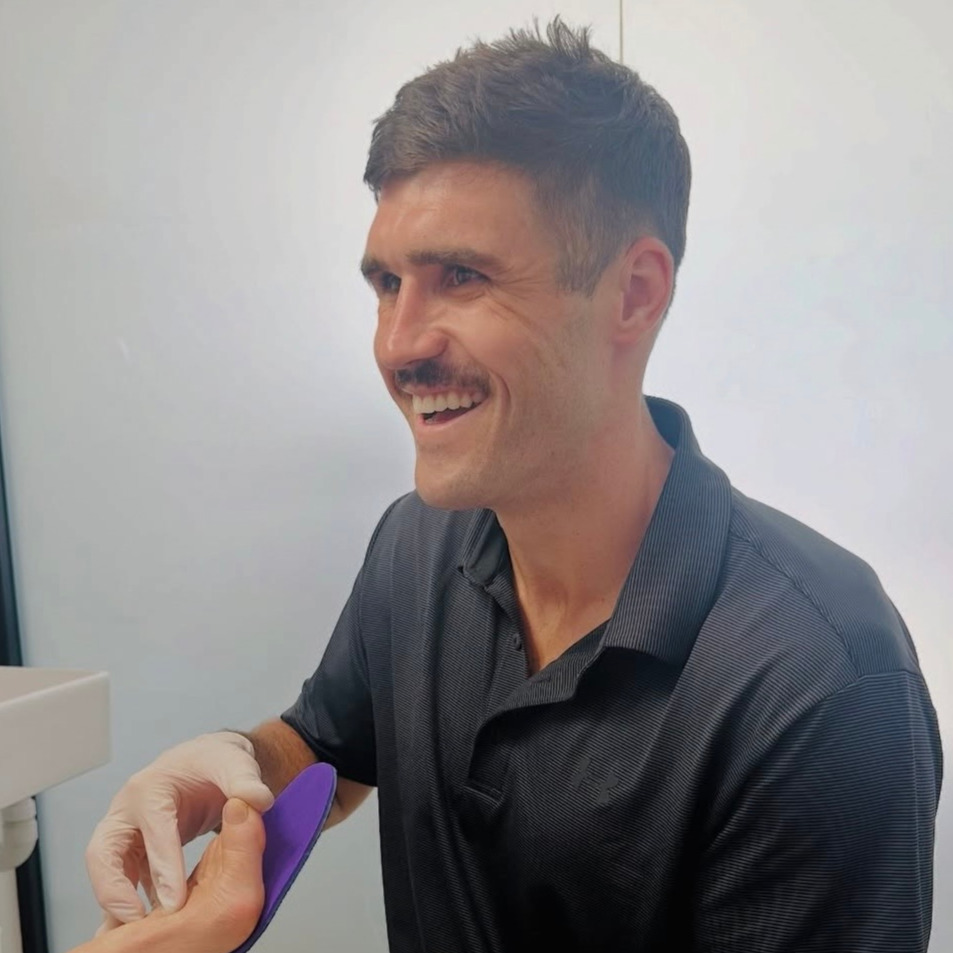
Luke is our ultra runner. Taking all things in life with a competitive edge, Luke is always striving to get each and every patient back to their activities asap.
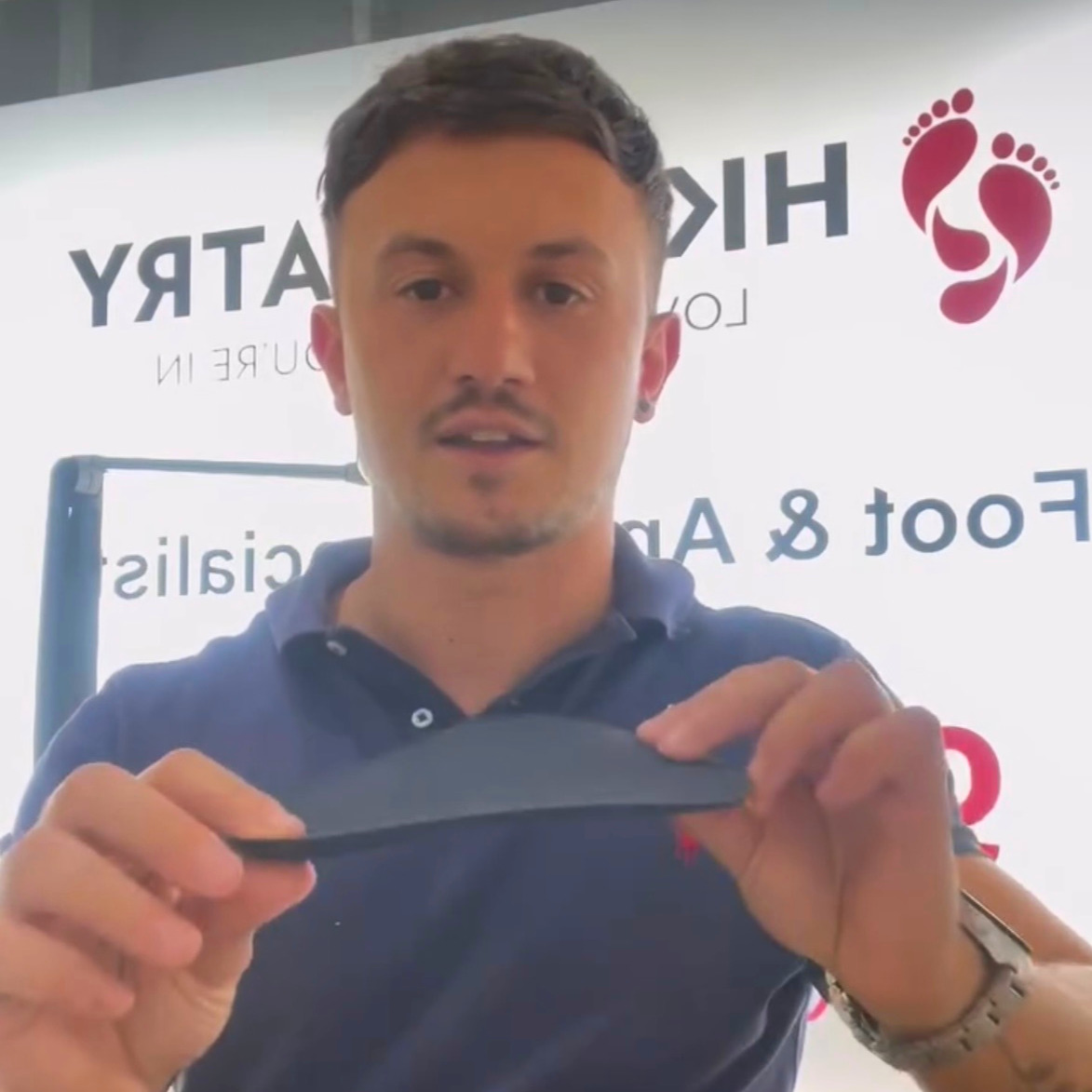
Dan is our super charged dynamo. With over 10 years experience Dan can empathise with you and help you get back on your heels in no time.
Where We Are
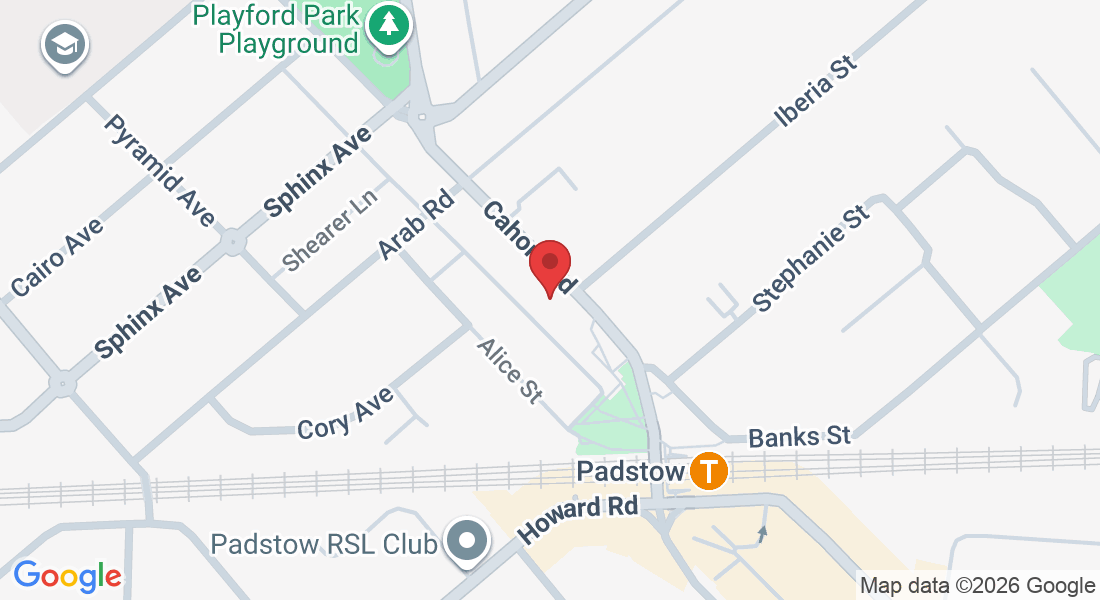
Padstow
120 Cahors Rd, Padstow
Maroubra
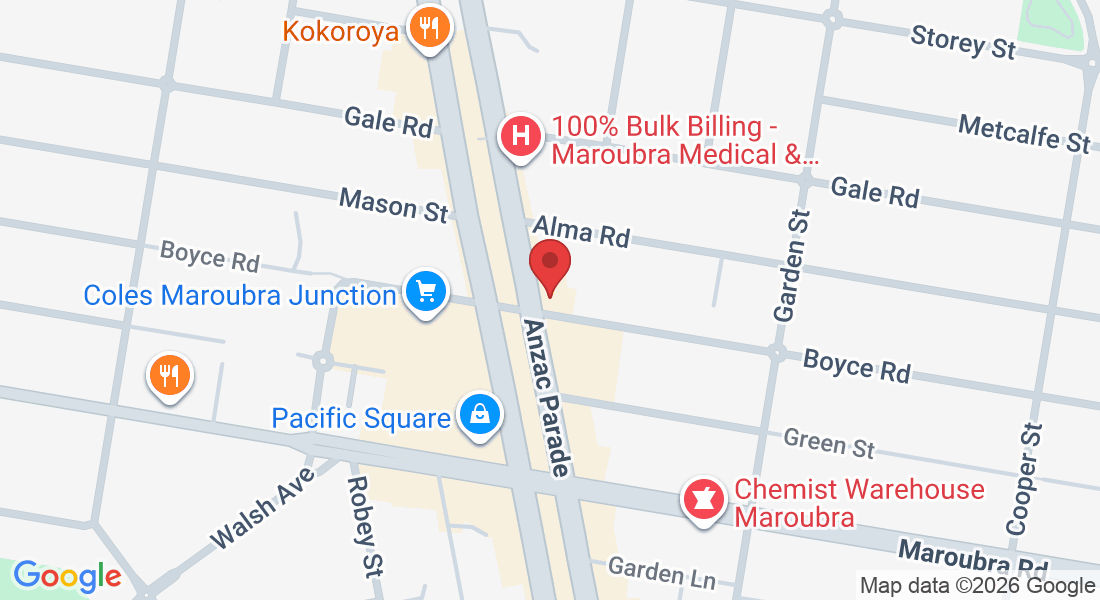
Shop 3/830 Anzac Pde, Entrance off Boyce Rd